

Preventative vs. Reactive Maintenance: Which Approach is Best for Your Facility?
In the world of facility maintenance, ongoing maintenance strategies play a crucial role in ensuring the safety, efficiency, and longevity of a building’s infrastructure. Two common approaches stand out—preventative maintenance and reactive maintenance. Both methods have their place, but which is better suited for your facility? This resource will explore the key differences, benefits, and drawbacks of each, helping you decide the best approach for your business.
What is Preventative Maintenance?
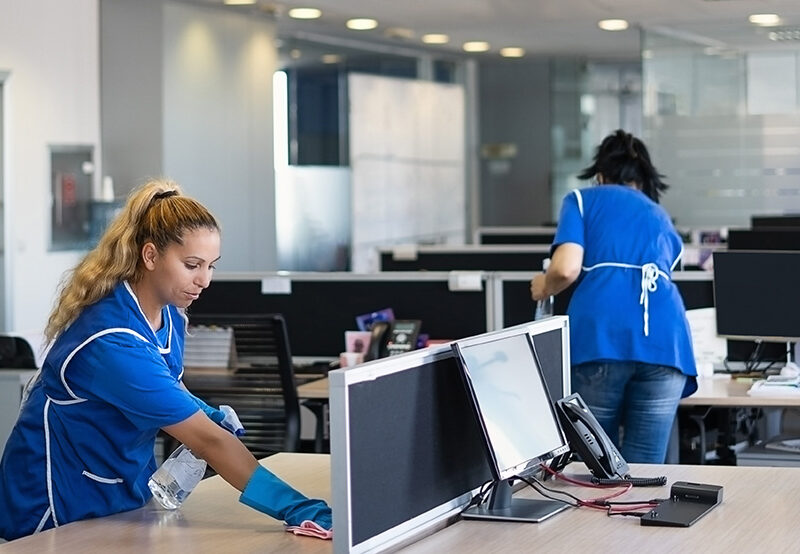
Preventative maintenance offers numerous advantages over reactive repairs, especially when it comes to cleaning and facility upkeep. Regular cleaning of high-traffic areas, deep-cleaning carpets, sanitizing high-touch surfaces, and exterior pressure washing help prevent the buildup of grime, dirt, and harmful bacteria. This ensures a healthier environment for employees, clients, and visitors, reducing the spread of germs and contributing to overall well-being.
Beyond hygiene, routine cleaning tasks such as window cleaning, floor maintenance, and graffiti removal ensure your facility always looks professional and well-maintained, which can positively impact your company’s image. Preventative cleaning also extends the lifespan of materials like carpets, flooring, and painted surfaces, reducing the need for premature replacements and costly repairs. For example, routine floor care prevents wear and tear, and regular exterior cleaning prevents the buildup of mold or mildew that can cause long-term damage.
By investing in preventative cleaning, facility managers can avoid the disruptive and often expensive consequences of letting dirt, damage, or deterioration accumulate over time. It’s a proactive approach that maintains the facility’s appearance and functionality, ultimately saving both time and money in the long run.
Common Preventative Maintenance Tasks
- Routine cleaning of building exteriors and interiors such as pressure washing sidewalks, walls, and facades.
- Deep carpet cleaning and floor care to remove dirt, allergens, and maintain appearance.
- Cleaning and disinfecting high-touch surfaces like door handles, elevators, and handrails to maintain hygiene standards.
- Window and high-access cleaning for exterior windows, skylights, and signage to maintain appearance and visibility.
- Regular window and door inspections to ensure proper sealing, locking, and weatherproofing.
- Regular gutter and roof cleaning to prevent clogs, leaks, and water damage.
- Graffiti removal and exterior cleaning to keep the building looking professional and well-maintained.
- Dusting and cleaning of vents, fans, and ducts to prevent blockages and maintain air circulation.
What is Reactive Maintenance?
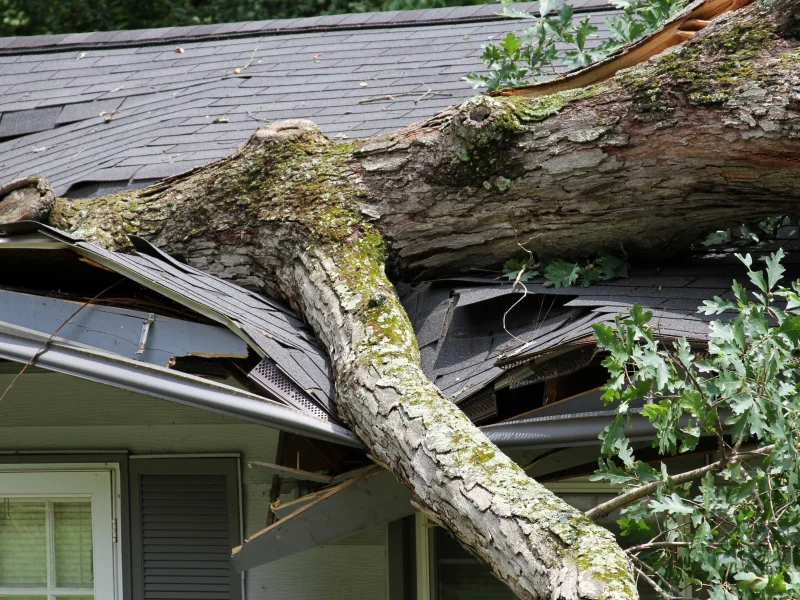
Reactive maintenance, often called “breakdown maintenance”, is a reactive approach where repairs are only made once equipment fails or issues arise. In this strategy, no action is taken until something breaks down, and immediate repair or replacement is required.
Pros and Cons of Reactive Maintenance
| Pros | Cons |
| Lower upfront costs: No regular maintenance expenses or scheduling requirements. | High repair costs: Emergency repairs can be significantly more expensive than planned maintenance. |
| Simple to manage: No need for a complex maintenance plan or regular inspections. | Shorter asset lifespan: Equipment and systems degrade faster without routine care. |
| Ideal for non-critical assets: It can be an option for equipment that isn’t essential to daily operations. | Downtime: Unplanned equipment failures can lead to operational disruptions and lost productivity. |
| No need to schedule downtime: Repairs are made as needed without planning around business hours. | Safety risks: Waiting for equipment to fail can result in hazardous conditions for employees and visitors. |
While reactive maintenance may seem convenient for non-critical systems, it poses significant risks for crucial infrastructure that impacts business operations, safety, and customer experience.
The Case for Preventative Maintenance
When weighing preventative maintenance against reactive maintenance, the clear winner for most businesses is preventative. Here’s why:
1. Reduced Long-Term Costs
While reactive maintenance may seem cost-effective in the short term, it often results in higher expenses in the long run. Unplanned repairs can be more expensive than routine inspections and minor fixes. Additionally, equipment that isn’t regularly maintained tends to degrade faster, leading to more frequent replacements. Preventative maintenance, on the other hand, spreads out the cost of maintenance over time, preventing unexpected spikes in repair expenses.
2. Maximised Productivity
In facilities where operational uptime is critical, reactive maintenance can be detrimental. Unplanned breakdowns often result in downtime, which interrupts workflow and reduces productivity. Preventative maintenance ensures that equipment runs smoothly with fewer unexpected failures, keeping your operations on track.
3. Enhanced Safety
Facilities that rely on reactive maintenance may be exposing employees and customers to increased risk. Waiting for equipment to fail can lead to unsafe conditions—whether it’s a malfunctioning HVAC system, faulty wiring, or a broken elevator. Regular preventative checks address these issues before they become safety hazards, ensuring a safe environment for everyone.
4. Improved Reputation
For businesses in sectors like retail, hospitality, or corporate environments, the appearance and functionality of your facility are essential to customer perception. Preventative maintenance ensures that your facility remains clean, safe, and operational, enhancing your brand’s reputation. On the other hand, sudden breakdowns or poorly maintained buildings can damage your credibility.
Which Maintenance Approach is Best for Your Facility?
While both preventative and reactive maintenance have their places, the answer often depends on your business needs and the critical nature of your facility’s assets. However, for most businesses—especially in high-demand environments like commercial spaces, government buildings, and retail centres—preventative maintenance offers more significant benefits.
Prioritise Preventative Maintenance
For businesses in Brisbane and on the Gold Coast, preventative maintenance is the best way to stay ahead of potential issues, extend the life of your assets, and keep your facility running smoothly. While reactive maintenance has its place, it’s clear that the long-term benefits of a proactive maintenance plan far outweigh the risks and costs of a reactive approach.
Need help managing your facility’s maintenance? Maintain It Australia offers comprehensive facility maintenance services, from routine inspections to specialised repairs. Contact us today for a tailored maintenance plan that ensures your facility remains safe, efficient, and fully operational.